If you’ve shot enough matches, you’ve seen it all. The good, the bad, and the stuff that makes everyone on the squad quietly cringe. Between the three of us, we’ve spent years competing, match directing, and working as ROs, and certain issues keep showing up over and over again.
This isn’t about nitpicking or gatekeeping. It’s about etiquette, safety, and sportsmanship, the things that actually make a match run smoothly and keep the sport enjoyable for everyone involved. Some of these habits are annoying. Some slow the entire match down. And some are legitimate safety problems that can get shooters, or entire ranges, in real trouble.
Here are the biggest match-day pet peeves we see repeatedly, and why they matter more than most shooters realize.

Arguing With Range Officers
One of the fastest ways to ruin the tone of a match is arguing with an RO.
Range Officers are almost always volunteers. They’re giving up entire weekends to stand on glass, manage shooters, track impacts, and keep things safe. Most of them don’t get paid, don’t get breaks, and don’t get much thanks. Giving them grief because a stage didn’t go your way is a bad look, full stop.
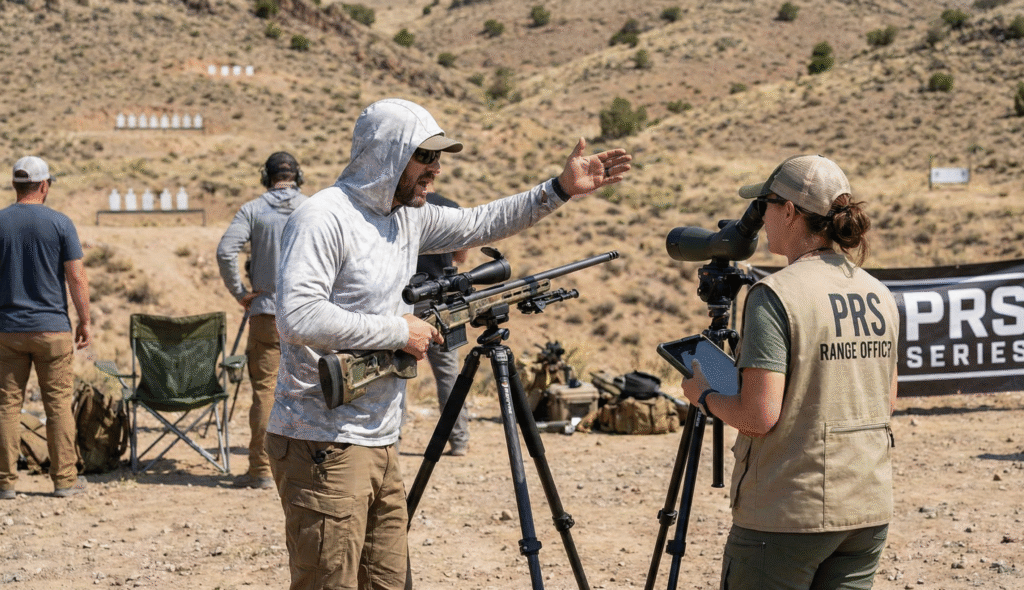
We get it. Competition brings out emotions. When you miss targets or drop points, it’s easy to want to push that frustration somewhere else. But ROs aren’t there to be adversaries. They want to call hits correctly, and they don’t want to miss anything any more than you do.
If there’s a legitimate dispute, there’s a process for it. Stay calm, ask respectfully, and if needed, bring the match director into it. Taking it out on the RO never helps and usually makes things worse.
Constantly Arguing Edge Hits
Edge hits have become one of the most common sources of friction at matches, especially as the overall skill level in PRS-style shooting has climbed.
Yes, edge hits happen. Experienced shooters and spotters can sometimes see trace track into a target, see slight target movement, and then see splash off to the side. In those cases, it’s reasonable to bring it up.
Where it becomes a problem is when the same shooter is claiming edge hits multiple times per match on shots that were clearly off by a noticeable margin. The probability of repeatedly clipping a tiny target edge and deflecting a bullet several mils is extremely low. Flyers happen. Cant happens. Wind calls aren’t always perfect.
If you truly think you had an impact, bring it up calmly after the stage. Ask the RO and the other shooters on glass what they saw. If multiple people agree it was a miss, let it go. Calling in the match director over something that’s cut-and-dry just delays the match and drags down the entire squad.
Letting One Bad Stage Ruin the Day
We’ve all had dumpster-fire stages. That’s part of shooting matches.
What separates good competitors from miserable ones is how they handle it. Getting flustered mid-stage, arguing calls, throwing gear, or stomping off angry doesn’t fix anything. In fact, it usually snowballs into an even worse day.
Shooting is heavily mental. Once your head goes sideways, your performance usually follows. The best shooters reset quickly. They laugh it off, learn what they can, and move on to the next stage without dragging that frustration along.
Matches are supposed to be challenging. If everything always went your way, it wouldn’t be worth doing.
Obsessing Over Other Shooters’ Scores
Another common trap is worrying too much about what everyone else is doing.
“How many points are you down?”
“I’m having a great day.”
“I’m out of it already.”
None of that helps you shoot better. Everyone shoots matches differently, and the only thing you can control is your own execution. Let the scores land where they land at the end of the day.
Constant score-checking and comparison just adds unnecessary pressure. Focus on your process, not the leaderboard.
Holding Up the Match Flow
Match flow matters more than most shooters realize.
Collecting brass while the next shooter is waiting, lingering on props, having long conversations on the stage, or not being ready when your name is called all slow things down. At smaller ranges, one squad backing up can cascade into delays across the entire match.
Be ready. Have mags loaded, dope written, and gear set before you’re up. Once you’re done shooting, clear the stage and let the next shooter work. Brass can be collected later if the match director allows it.
Fast, efficient squads have better days. Everyone finishes earlier, stress is lower, and the match is more enjoyable.
Not Helping on Glass or With Match Tasks
Good matches run smoothly because shooters help.
That means spotting, running tablets, managing timers, and staying engaged when it’s not your turn to shoot. ROs can’t do everything alone, especially at volunteer-heavy matches.
If you’re experienced enough to compete, you’re experienced enough to help. Matches where shooters pitch in consistently finish faster and feel far less chaotic.
Sky Loading and Other Safety Violations
This one isn’t just annoying, it’s dangerous.
Sky loading, chambering a round before you’re on target, is a serious safety issue. It’s clearly addressed in safety briefs and match books for a reason. Closing the bolt or dropping it early serves no purpose and increases the risk of a negligent discharge.
We’ve seen rounds sent through props and unsafe directions because of this exact behavior. In many matches, that’s an immediate disqualification, and it should be.
Safety violations don’t just affect one shooter. They threaten the future of ranges and matches as a whole. One round leaving a property can shut a range down permanently.
If you see unsafe behavior, say something. Holding each other accountable is part of maintaining integrity in the sport.
A Note for New Shooters
Most of these issues aren’t caused by new shooters.
Brand-new competitors are usually humble, attentive, and eager to learn. They ask questions, accept help, and absorb everything they can. That’s exactly how it should be.
These pet peeves tend to show up once shooters get comfortable and start letting etiquette slip. Experience should come with better habits, not worse ones.
If you’re new, listen, watch, and ask questions. Everyone started somewhere, and nobody expects perfection on day one.
Final Thoughts
Matches work best when everyone respects the process. Respect the ROs, respect the flow, respect safety rules, and respect each other. None of this takes away from competitiveness. If anything, it strengthens it.
Good etiquette makes matches faster, safer, and far more enjoyable. And at the end of the day, that’s why we all keep showing up.
If you’ve got pet peeves of your own or disagree with anything here, that’s fine too. The conversation is part of what keeps the sport healthy.
RECOMMENDED PRODUCTS
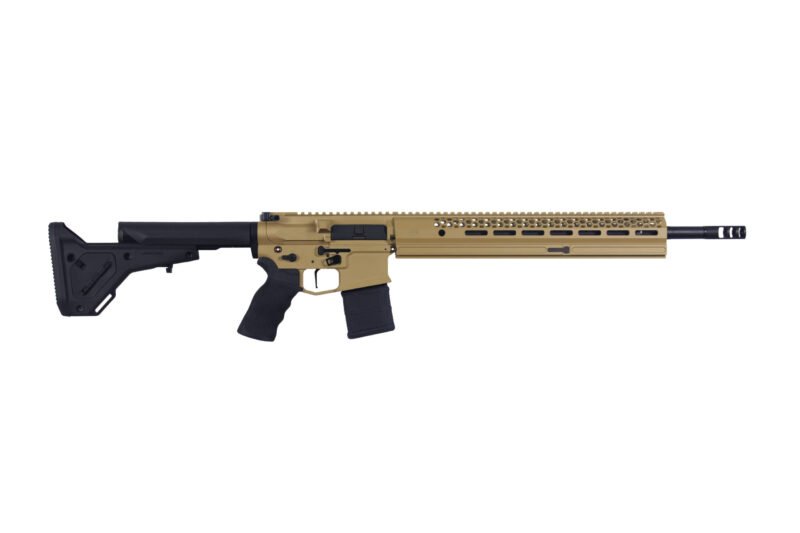
Evolution Competition Rifle
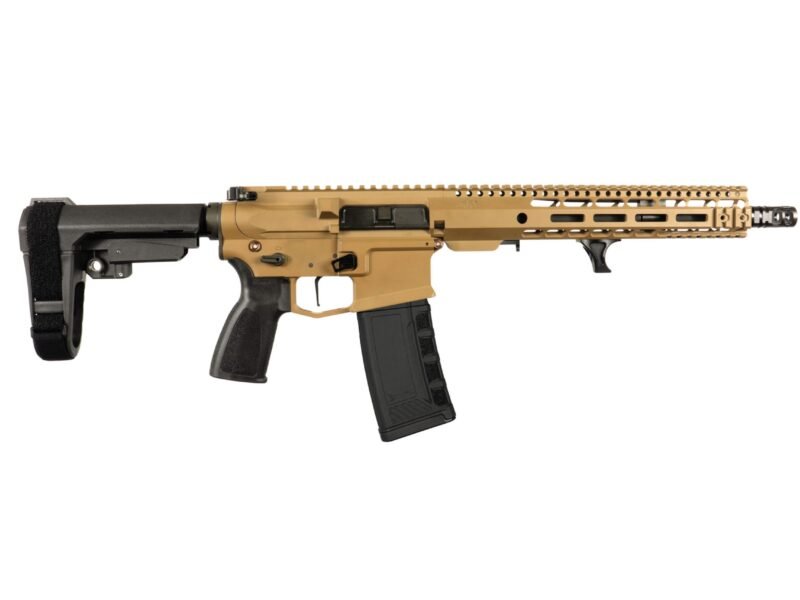
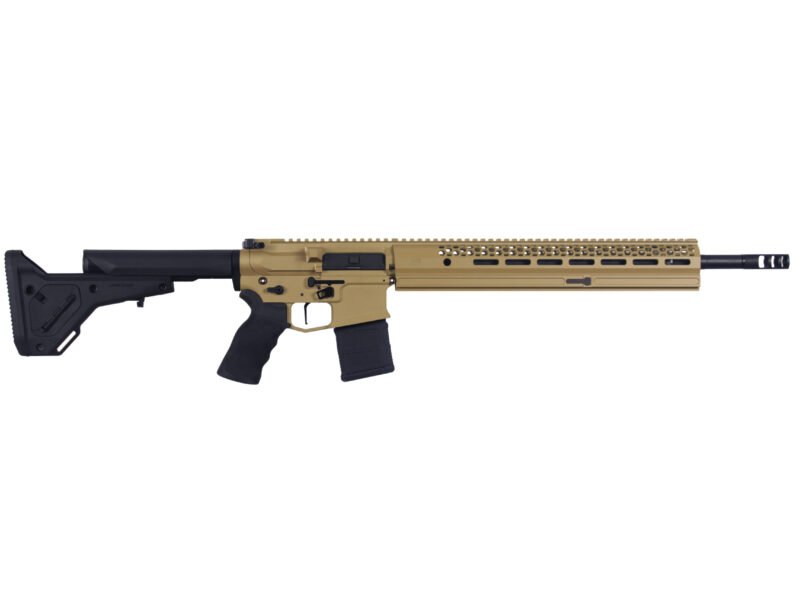
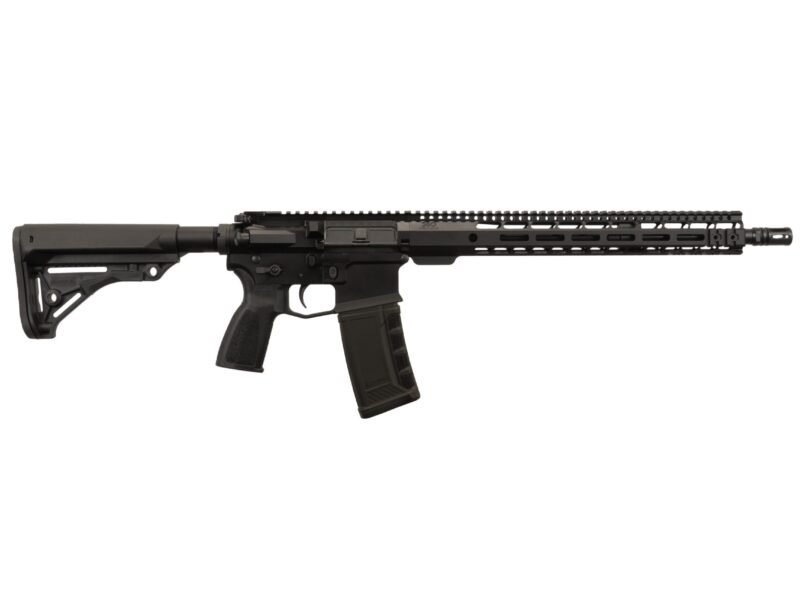
The 360 Precision Evolution Competition Semi-Auto Rifle is a match-ready competition gas gun built for speed, control, and repeatable sub-MOA accuracy under time pressure. Designed specifically for practical rifle competition, 2-Gun, 3-Gun, and precision semi-auto matches, the Evolution delivers reliable performance straight out of the box for serious competitors.