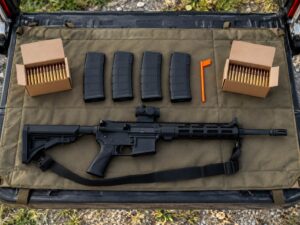
Jordan Glassman on Fundamentals, Training, and the Reality of Law Enforcement Firearms Skills
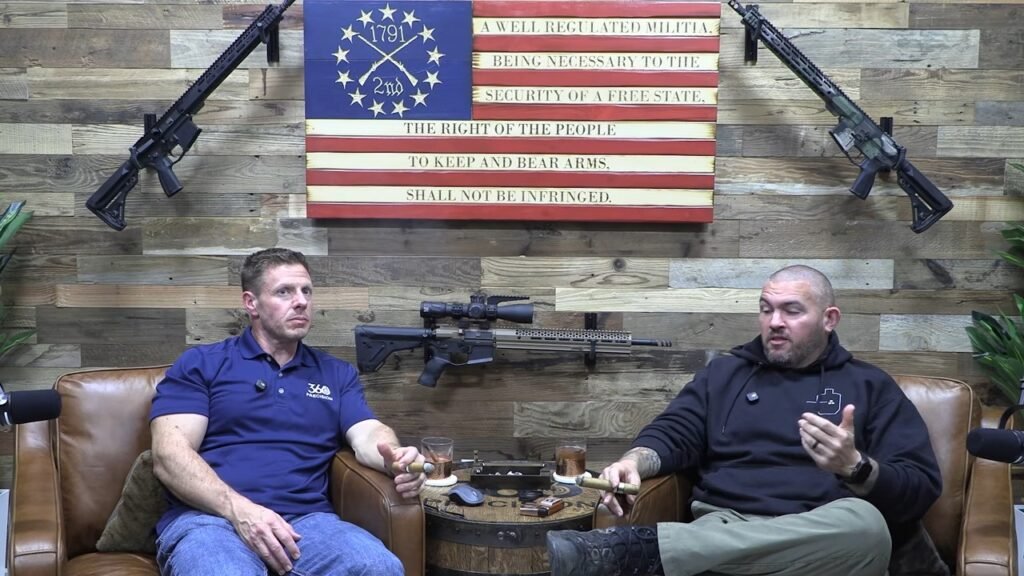
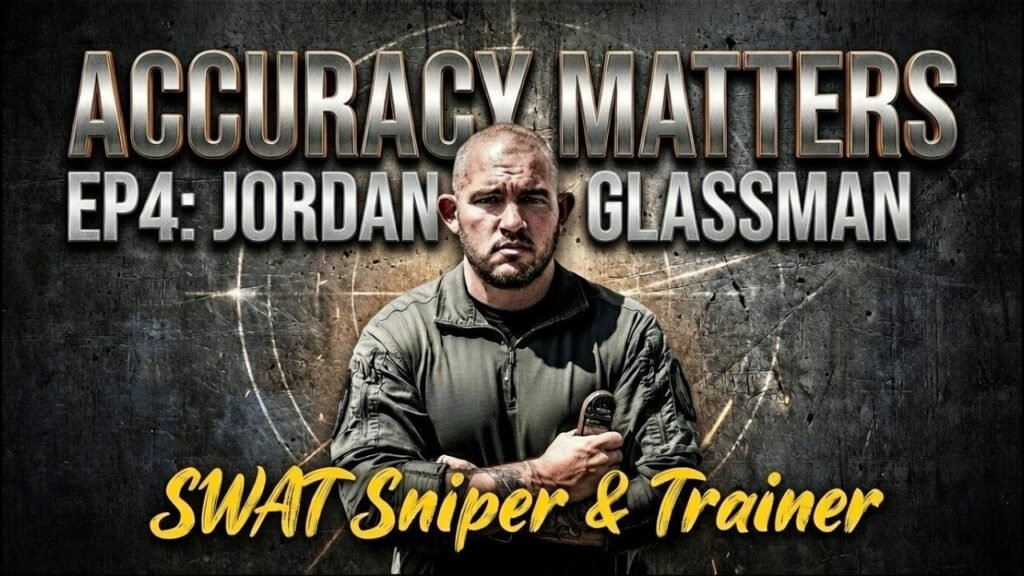
In a candid conversation on the Accuracy Matters Podcast, Dan Cogan, owner and founder of 360 Precision, sat down with Jordan Glassman, a 19-year law enforcement veteran, SWAT sniper, and founder of The Left Edge Society. What followed was an unfiltered discussion about shooting fundamentals, the harsh realities of police firearms training, and why most shooters never reach true competence.
Jordan breaks down critical shooting mistakes, the gap between qualification and real-world performance, and what it takes to become genuinely proficient with a rifle. Whether you’re in law enforcement, compete in precision rifle competitions, or simply want to improve your shooting skills, this conversation delivers insights rarely discussed in the firearms community.
From Law Enforcement to Competitive Shooting: Jordan Glassman’s Journey
Jordan Glassman spent 19 years in law enforcement, serving as a SWAT operator and sniper. His path into competitive shooting began organically through his work on the team. As he explained, SWAT training introduced him to precision rifle shooting, which eventually led him to the Precision Rifle Series (PRS) and other competitive disciplines.
The transition from law enforcement to competition exposed significant gaps in traditional police firearms training. Jordan observed that while law enforcement qualifications focus on basic proficiency standards, competitive shooting demands a much higher level of skill, speed, and adaptability under pressure.
This realization became the foundation for The Left Edge Society, Jordan’s training company dedicated to producing competent, accountable shooters rather than individuals who simply pass annual qualifications.
The Brutal Truth About Law Enforcement Firearms Training
One of the most striking revelations in the conversation was Jordan’s candid assessment of law enforcement firearms training. He acknowledged that most police departments provide minimal firearms instruction beyond basic qualification requirements.
According to Jordan, many officers receive limited range time throughout the year, often just enough to maintain their qualification scores. The institutional support for advanced firearms training is frequently absent, leaving motivated officers to seek training and practice on their own time and dime.
This training deficit creates a troubling reality: officers may be legally qualified to carry firearms but lack the depth of skill needed for high-stress encounters. Jordan stressed that passing a qualification does not equate to competence, especially when faced with complex, dynamic situations.
Why Competitive Shooting Exposes Bad Fundamentals
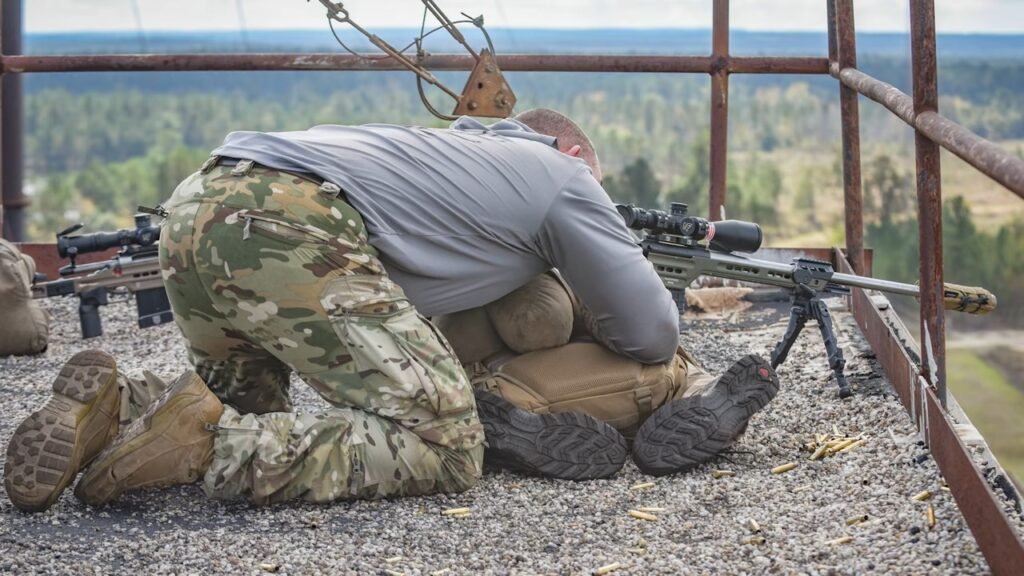
Jordan credits competitive shooting with transforming his understanding of rifle fundamentals. In PRS and similar competitions, shooters face time pressure, unconventional shooting positions, and targets at varying distances—all of which reveal weaknesses that static range training never exposes.
He explained that competition forces shooters to refine their technique under stress. Mistakes that might go unnoticed during casual range sessions become glaringly obvious when the clock is running and targets are challenging. This immediate feedback loop accelerates skill development in ways that traditional training cannot match.
The precision and consistency required in competitive shooting also demand a level of equipment familiarity and technical proficiency that most shooters never develop. Jordan emphasized that competitive environments push shooters to identify and correct fundamental errors in their shooting mechanics, positional stability, and rifle manipulation.
Common Shooting Mistakes Most People Don’t Realize They’re Making
Throughout the conversation, Jordan identified several critical mistakes that plague both new and experienced shooters. These errors often go unnoticed because shooters lack exposure to proper instruction or fail to test their skills in demanding environments.
Positional Shooting Errors
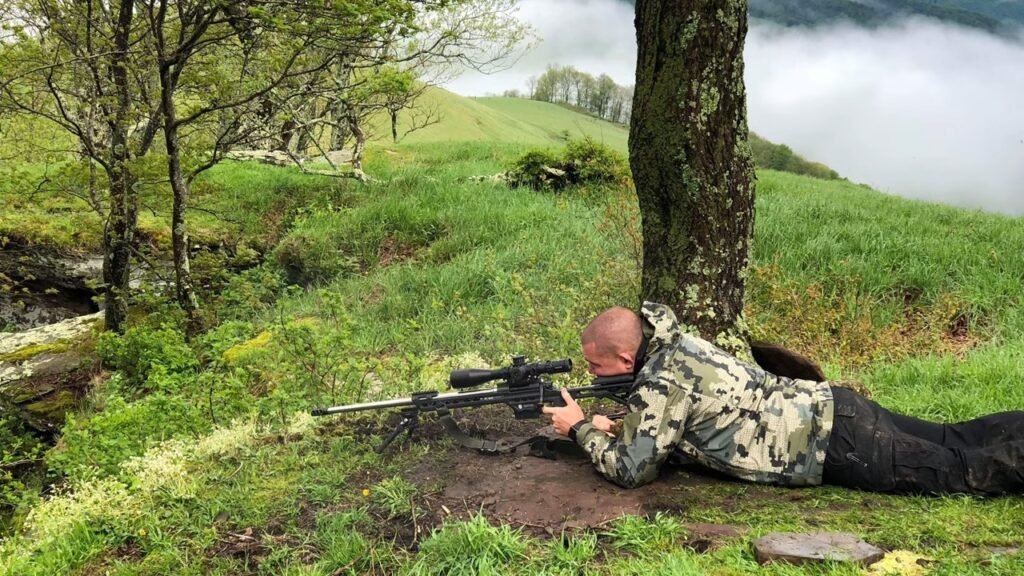
Many shooters struggle with unconventional shooting positions simply because they have never practiced them. Jordan noted that most range training occurs from the prone or bench rest positions, leaving shooters unprepared for real-world scenarios that demand flexibility and adaptability.
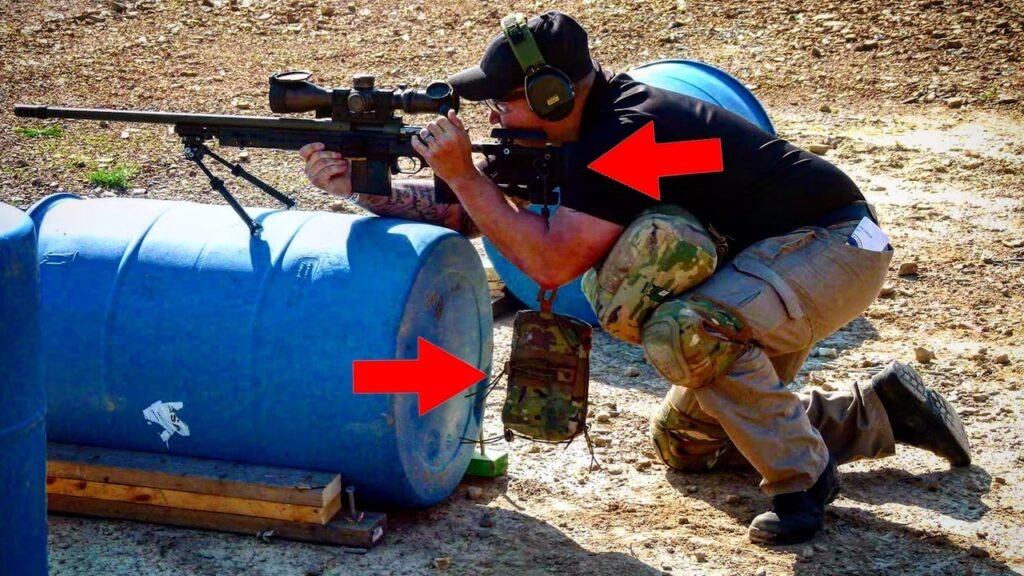
Competitive shooting requires proficiency in kneeling, standing, barricade, and improvised positions. Shooters who only train from stable positions often discover their limitations when forced to engage targets from awkward angles or unstable platforms.
Gear Over Training Mentality
Jordan addressed a common trap: the belief that better equipment will compensate for inadequate training. While quality rifles and optics matter, Jordan stressed that fundamental skills always take priority.
He observed that many shooters invest heavily in premium gear while neglecting the training that would actually improve their performance. A competent shooter with a quality rifle like the 360 Precision Evolution will outperform an unskilled shooter with the most expensive custom build on the market.
Lack of Accountability and Measurement
Jordan emphasized that most shooters never honestly assess their capabilities. Without objective performance standards or competitive feedback, it is easy to overestimate skill levels and ignore fundamental weaknesses.
The Left Edge Society was built on the principle of accountability. Jordan explained that competent shooters must regularly test their skills in challenging environments, whether through competition, professional training courses, or structured practice sessions with measurable standards.
The Mindset Shift Required to Actually Improve
Improving as a shooter demands more than casual range time. Jordan stressed that genuine progress requires deliberate practice, professional instruction, and a willingness to confront uncomfortable truths about your current skill level.
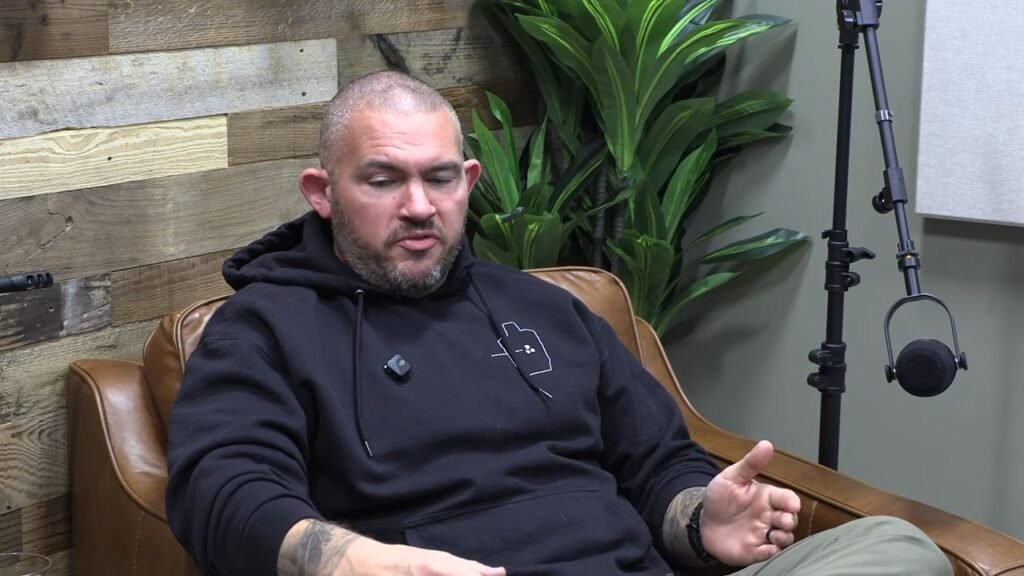
He noted that many shooters resist seeking training because they fear exposing their weaknesses. This mindset prevents growth. The best shooters recognize that identifying and correcting errors is the path to mastery, not a source of embarrassment.
Jordan encouraged shooters to embrace humility and view training as an investment in capability rather than a test of ego. Whether you are a law enforcement officer, competitive shooter, or civilian firearms owner, the commitment to continuous improvement separates competent shooters from those who merely own rifles.
Why Professional Training Matters More Than New Gear
Jordan returned repeatedly to a central theme: training produces results that equipment cannot. While a precision rifle like the 360 Precision Evolution offers exceptional accuracy and reliability, it cannot compensate for poor fundamentals or lack of experience.
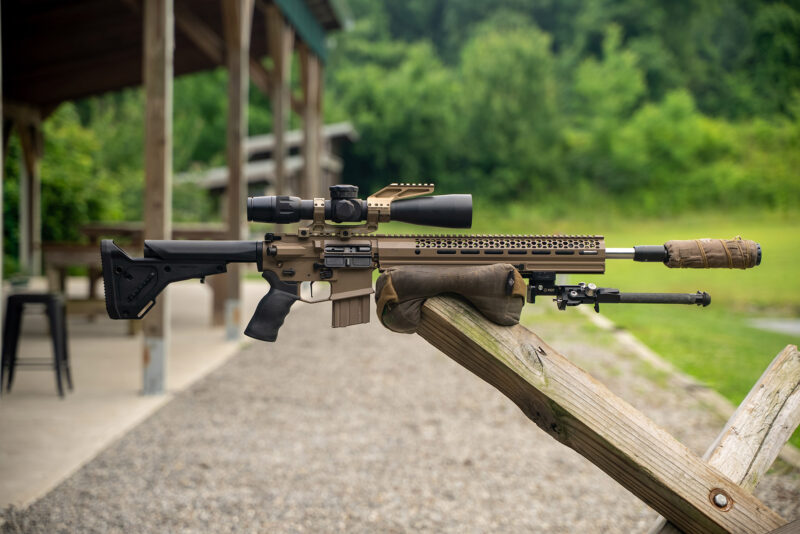
Professional training provides structured learning environments where shooters receive expert feedback, practice essential skills under supervision, and develop the muscle memory required for consistent performance. Jordan explained that quality instruction accelerates skill development far more effectively than solo practice or informal range sessions.
For law enforcement officers, professional training often fills critical gaps left by departmental programs. Civilians seeking to develop serious shooting proficiency should prioritize reputable instructors and structured courses over incremental gear upgrades.
Lessons From PRS and Team Sniper Competitions
Jordan’s experience in Precision Rifle Series competitions and team sniper matches provided him with insights that traditional law enforcement training never could. These events test shooters across multiple disciplines: precision marksmanship, rapid target transitions, field craft, and decision-making under time pressure.
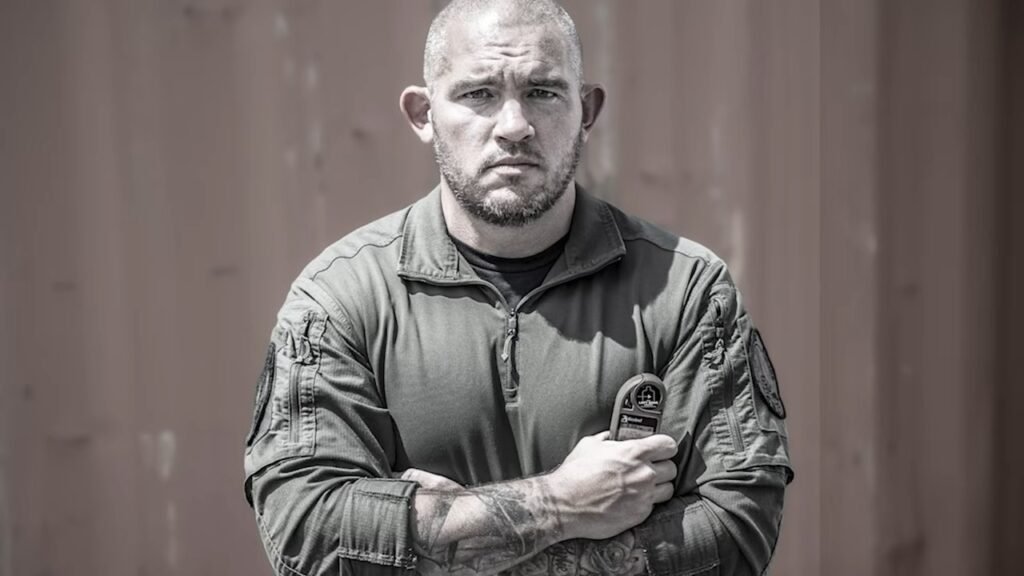
He described how PRS competitions force shooters to adapt to constantly changing conditions. Stages may require engaging targets from barricades, rooftops, or improvised rests, with limited time to settle into position and deliver accurate shots. This dynamic environment reveals which fundamentals are solid and which need work.
Team sniper matches add another layer of complexity by incorporating communication, coordination, and shared decision-making. These competitions test not only individual shooting skills but also the ability to work effectively under pressure as part of a team—directly applicable to law enforcement operations.
Building Competence: The Left Edge Society Philosophy
The Left Edge Society represents Jordan Glassman’s commitment to raising the standard of firearms proficiency. The training company focuses on producing shooters who are genuinely competent and accountable for their performance, not individuals who simply check boxes on qualification sheets.
Jordan explained that his approach emphasizes realistic skill development over arbitrary standards. Students are challenged to perform under conditions that replicate real-world stress, not sanitized range scenarios that bear little resemblance to actual defensive or tactical situations.
This philosophy aligns closely with the values Dan Cogan and 360 Precision bring to the firearms industry: precision, accountability, and a refusal to accept mediocrity. Both recognize that true proficiency requires dedication, honest self-assessment, and a commitment to ongoing improvement.
What Shooters Should Focus On Right Now
For shooters looking to improve, Jordan’s advice is straightforward: invest in training, practice deliberately, and test your skills in demanding environments.
Start by identifying weaknesses in your fundamentals. Can you consistently hit targets from unconventional positions? Do you maintain accuracy under time pressure? Can you transition quickly between multiple targets while preserving precision?
Seek professional instruction from experienced trainers who will challenge you and provide honest feedback. Participate in competitions or structured training events that push you beyond your comfort zone. And most importantly, recognize that improvement is a process, not a destination.
When it comes to equipment, choose quality rifles built for performance and reliability. The 360 Precision Evolution rifle, for example, offers guaranteed sub-¾ MOA accuracy and features designed for competitive shooters who demand precision. But remember: even the best rifle requires a skilled operator to achieve its potential.
Final Thoughts: Competence Over Comfort
Jordan Glassman’s conversation with Dan Cogan delivered exactly what the firearms community needs more of: honest, unfiltered truth about what it takes to become a competent shooter. Too often, shooters settle for comfortable mediocrity, avoiding the hard work and honest self-assessment that genuine proficiency demands.
Whether you are a law enforcement officer seeking to exceed minimum departmental standards, a competitive shooter chasing podium finishes, or a civilian committed to responsible firearms ownership, the message is the same: competence requires effort, accountability, and a willingness to confront your limitations.
The path forward is clear. Stop buying gear as a substitute for training. Stop accepting qualification as the standard for competence. And stop avoiding the difficult practice that exposes weaknesses and builds real skill.
As Jordan emphasized throughout the podcast, the firearms community benefits when we all commit to raising our standards. At 360 Precision, we share that commitment—building rifles that deliver precision and reliability for shooters who refuse to settle for less.
Watch the Full Episode and Explore 360 Precision Rifles
Ready to hear the complete conversation? Watch the full Accuracy Matters Podcast episode with Jordan Glassman on the 360 Precision YouTube channel. Dan and Jordan cover even more ground, including specific training recommendations, competition strategies, and the reality of law enforcement firearms proficiency.
If you are serious about precision shooting and want a rifle built to support your commitment to excellence, explore the 360 Precision Evolution. Designed for competitive shooters and anyone who demands guaranteed sub-¾ MOA accuracy, the Evolution combines precision engineering with American-made quality.
Visit 360Precision.com to learn more about our rifle lineup, read additional insights from the Accuracy Matters Podcast, and discover why serious shooters trust 360 Precision for mission-ready performance.