If you own an AR-15, you already own everything you need to start competing. That’s the whole idea behind the NRA’s ARC Challenge, and it’s why the program has become one of the fastest ways for new shooters to get into action rifle competition without the steep learning curve of USPSA or 3-gun.
360 Precision’s founder Dan Cogan, sat down with Chad Barber, managing director of the AR Challenge program with the NRA, and Mike Kusaka, match director for the Faces of Freedom Challenge, to talk through what ARC is, how it works, and why it’s drawing everyone from total beginners to seasoned PRS shooters. Their upcoming match takes place August 1 and 2, 2026, at the Pete Lien and Sons Shooting Sports Complex in Rapid City, South Dakota.
What Is the ARC Challenge?
ARC stands for Armalite Rifle Challenge, but as Barber puts it, most people just think of it as America’s rifle challenge. The program was built for the millions of AR-15 owners who never got into competition because they didn’t know how, or because matches like USPSA and 3-gun felt intimidating for a first outing.
ARC solves that with a two-tier structure.
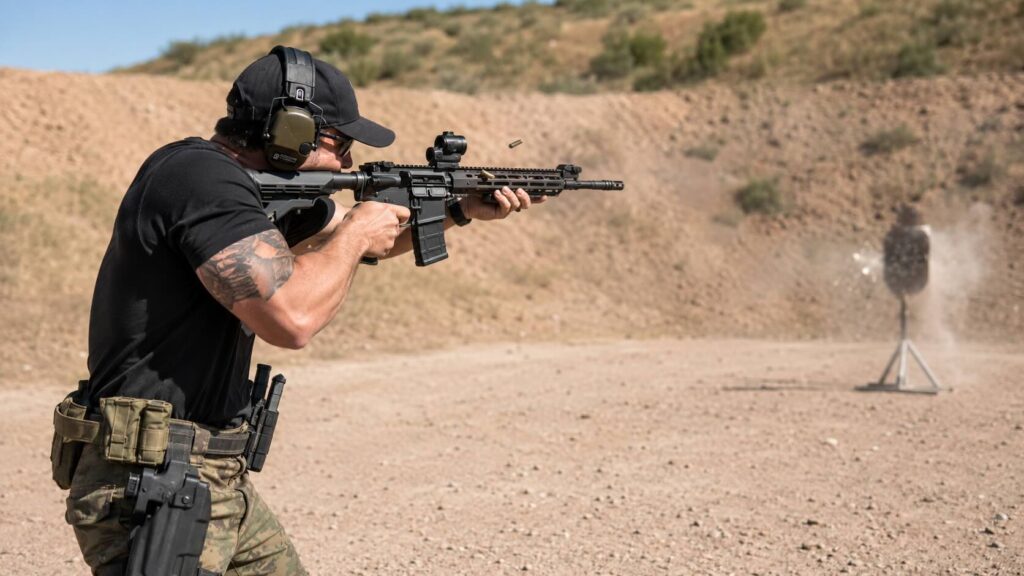
Level One is the entry point. Shooters work from standing, kneeling, and prone positions at distances from 10 to 100 yards. Each stage runs on a par time with a buzzer, but there’s no penalty for shooting slower than the par, only for going over it. A full four-stage Level One match takes about two hours to run through all relays, which makes it an easy day even for first timers.
Level Two ramps things up into a more dynamic, action-style match. Match directors get more freedom to set target distances, sometimes out to 400 yards depending on the facility. At the Rapid City match, the North Range allows shots out to 300 yards.
What makes this match format especially appealing is that competitors shoot both levels in the same single-day event. You run all four Level One stages first, then move into the Level Two stages the same day, so beginners and advanced shooters can both find their level without committing to a separate match.
Built for the Rifle You Already Own
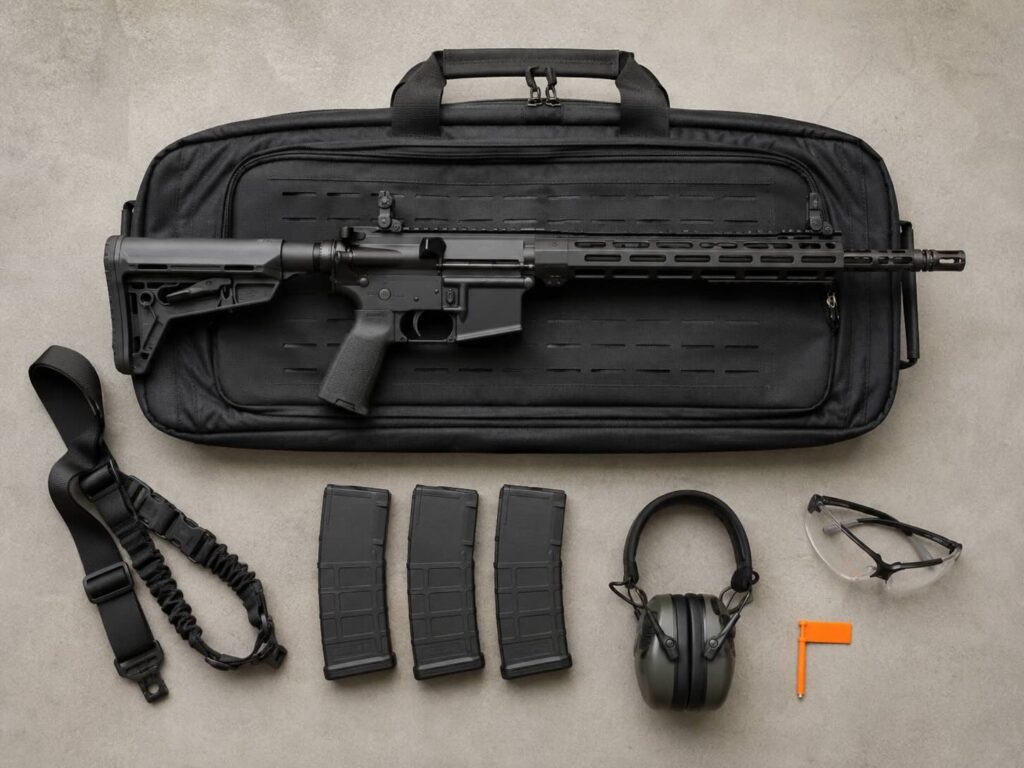
Barber is direct about what you need to shoot ARC: your rifle, magazines, a sling, an empty chamber indicator, eye and ear protection, and a water bottle. That’s it. A stock rifle with iron sights works fine. A red dot that fits stock or limited division works too, and low power variable optics up to 8x are common in that category. If your rifle is fully tricked out with a 20-power scope, bipod, and monopod, you’re in open class. The only things banned outright, jokingly noted in the interview, are chainsaws, bayonets, and flamethrowers.
The format is also modular. Matches can be shot on 25-yard ranges with a reduced course, and specialty matches can run entirely with rimfire rifles or pistol caliber carbines. There’s even a side match called ARC Two Gun at the Level Two tier for shooters who want to bring both a rifle and handgun into the same stage.
Why It’s a Good Fit for First Time Competitors
One of the recurring themes in the interview is how much lower the intimidation factor is compared to USPSA or IDPA. Kusaka noted that after running introductory matches, the two most common pieces of feedback were how much more comfortable and approachable ARC felt, and how quickly shooters realized what they needed to work on, whether that was reloads, optic selection, or basic positional shooting.
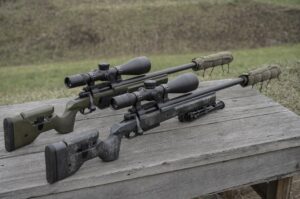
That’s not just a beginner phenomenon either. Barber pointed out that even top-level precision rifle competitors have shown interest in shooting a Level One match, simply because close-range shooting with irons or a red dot, dealing with sight offset at 10 yards, is a different skill set than what they’re used to at 300, 600, or 1,000 yards. For readers coming from long range disciplines, our precision rifle build guides break down how optic and rifle setup changes with distance, which is useful context before stepping into a close-range ARC stage.
The Rapid City Match: Pete Lien and Sons Shooting Sports Complex
The venue itself is worth talking about on its own. Pete Lien and Sons Shooting Sports Complex is a publicly owned range operated by South Dakota Game, Fish and Parks. Under a mandate that started with then-Governor Kristi Noem, 80 to 90 percent of the facility has to stay free and open to the public.

The numbers are substantial. The South Range alone has 165 shooting lanes between rifle and pistol, with 145 of them free and open to the public seven days a week. There’s a 2 to 300 yard all-steel range with 30 lanes for centerfire rifle, plus 10 additional lanes for long range .22 shooting. A separate long range area stretches out to 1,200 yards, and the complex also includes a full shotgun area with sporting clays, Olympic trap, and five stand.
Accessibility was built in from the start. With input from Paralympic athlete Becky Noble, the range includes an ADA-accessible pistol bay and rifle bay. The facility is also suppressor friendly, which lowers the intimidation factor for new shooters and youth competitors who might otherwise be put off by muzzle blast and recoil.
Level Two Gets a South Dakota Theme
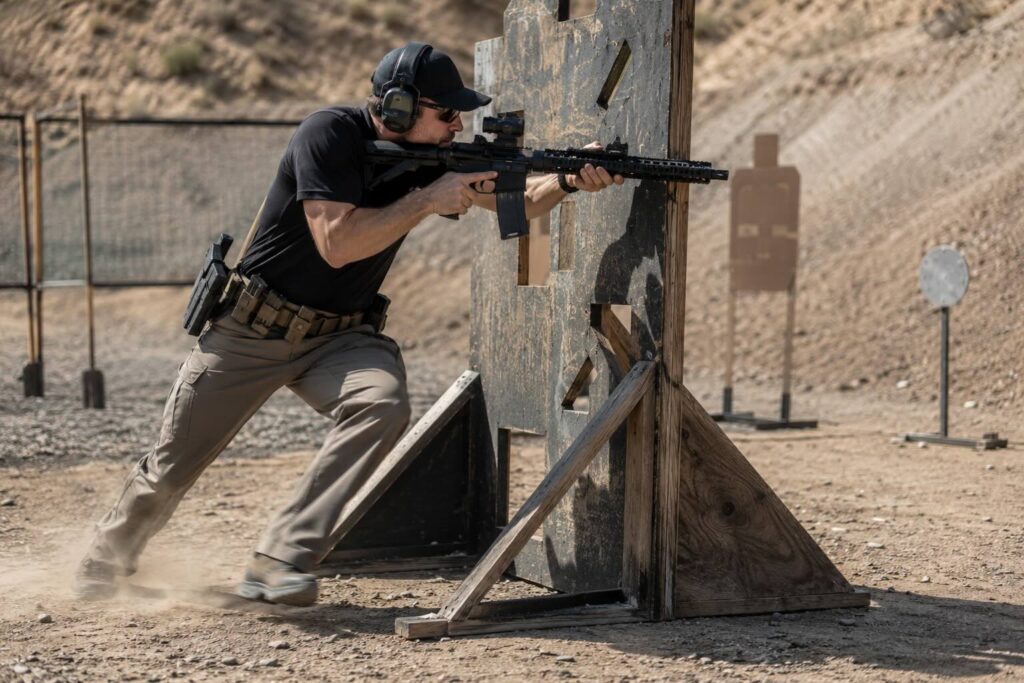
Kusaka and his team, Prairie Thunder, are designing the Level Two stages with a regional theme, including the idea of working a motorcycle into one of the props as a shooting rest or barricade. It’s a nod to local flavor, but it also reflects something Barber emphasized throughout the interview: ARC stages are meant to mirror real world scenarios. Shooting around a barricade translates directly to using a piece of furniture for cover at home, a car bumper as a rest, or a fallen log or tree stand in a hunting scenario.
What Else Is Happening at the Match
360 Precision will run a demo bay at the event, letting competitors test a range of rifles from basic builds up through the advanced competition line before deciding what to bring to the line. There’s also a bonus stage with prizes for match day.
For anyone sticking around, Sunday features a training clinic open to Saturday match participants, led by instructors from a team Kusaka kept under wraps for now. Combined with national media attention from outlets like Shooting USA and Michael Bane, along with coverage planned from the Shooting Wire, this year’s inaugural event is expected to set up a much bigger turnout for the next ARC Regional Championship.
How to Get Involved
You don’t have to travel to South Dakota to shoot ARC. The program is designed to be modular enough for any local club or commercial range to host a match, whether that’s a full Level One and Two event or a smaller specialty match focused on rimfire or suppressed rifles. Clubs interested in hosting can reach out to ARC directly for support with club presentations and getting a match approved.
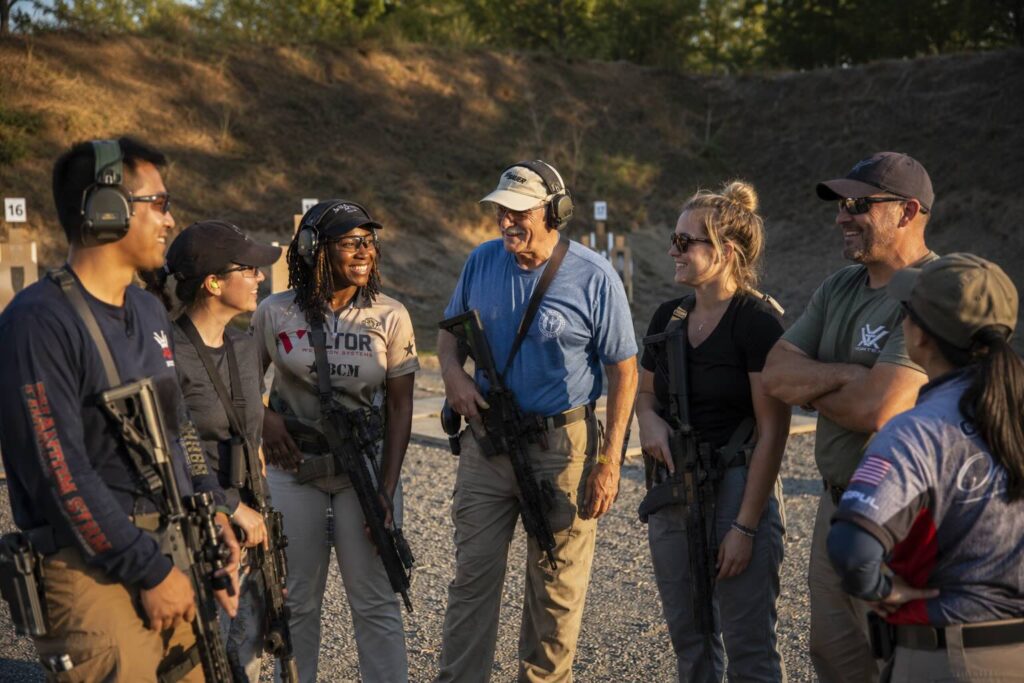
For match directors and range owners, Barber made the business case plain: ARC brings foot traffic and new shooters through the door without the overhead of higher-level competitive disciplines. A rimfire-focused ARC match can run affordably enough to host monthly alongside a club’s other established matches.
If you already own an AR, a spare afternoon, and a case of ammo, you have what you need to shoot your first match. As both Barber and Kusaka put it, the best way to learn what a match is like is to just show up and shoot one. Check our Complete Competitive Shooter’s Ruck Sack Guide: Essential Gear Breakdown for the perfect ruck sack breakdown, then find a local ARC match or plan your trip to Rapid City this August.